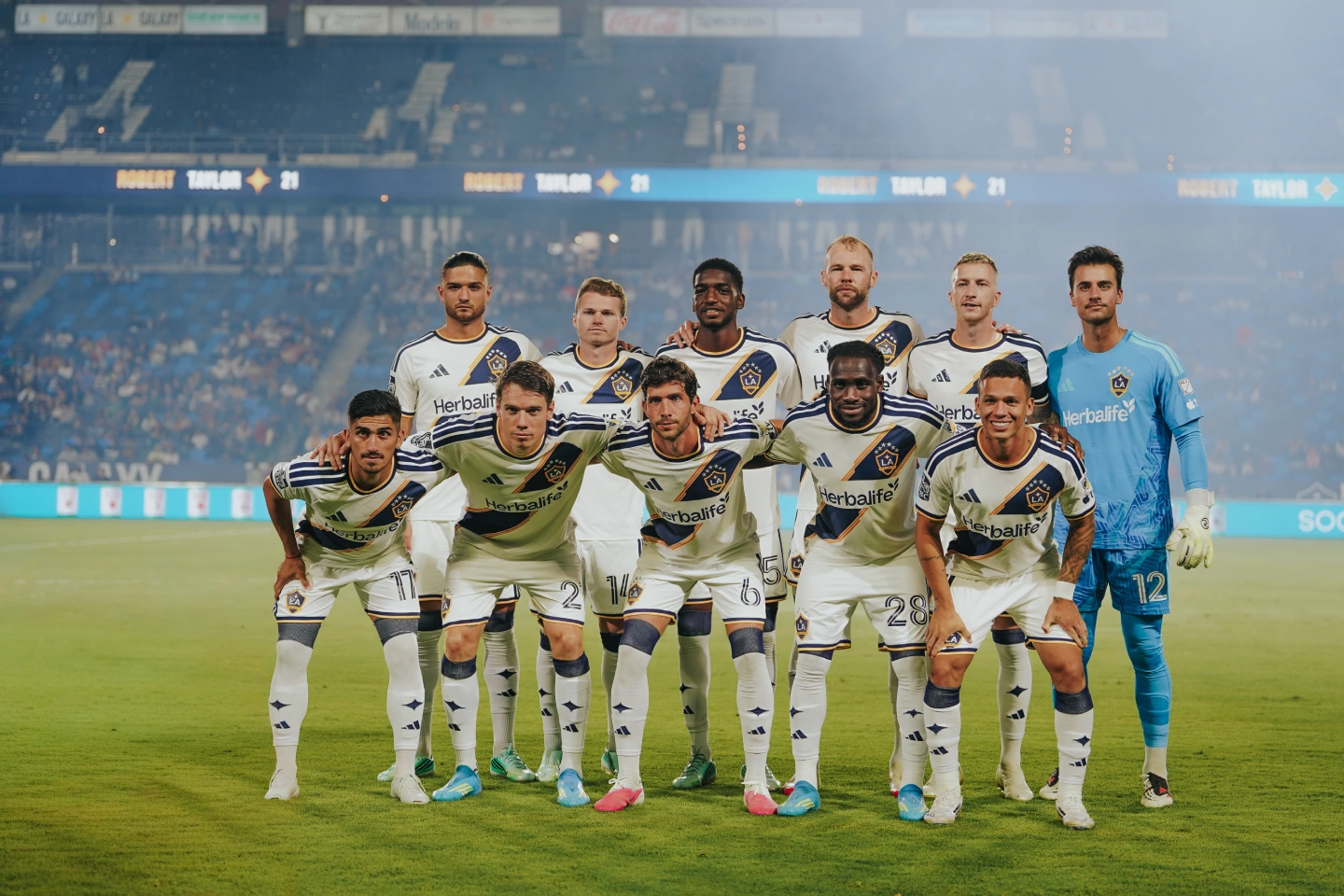

Sports often place individual athletes in the spotlight. A striker who scores the winning goal, a basketball player who delivers a decisive shot, or a quarterback who leads a final drive can become the face of a memorable result.
But behind almost every standout performance is a network of teammates whose contributions may receive less attention.
Team sports depend on work that does not always appear in the statistics. A defender who closes down space, a midfielder who creates passing options, a player who communicates clearly, or a substitute who maintains energy from the sidelines can influence the outcome without becoming the headline.
These contributions are essential because success is rarely the product of one individual acting alone.
Effective teamwork begins with trust. Players must understand their responsibilities and believe that teammates will perform theirs. When that trust develops, athletes can make decisions more confidently, react more quickly, and focus on the overall strategy rather than trying to solve every problem independently.
Communication is another key factor. Teams must exchange information under pressure, adjust to changing situations, and respond when the original plan no longer works. Clear communication can prevent mistakes and help players recognize opportunities that might otherwise be missed.
The best teammates also understand that roles can change. One athlete may lead the attack in one game and provide defensive support in the next. A regular starter may need to encourage others from the bench. A younger player may bring energy, while an experienced teammate provides calm guidance.
Accepting these responsibilities requires a team-first mindset. Individual ambition remains important, but it becomes more effective when aligned with collective goals.
Strong team cultures are also shaped by how athletes respond to adversity. After a mistake, teammates can offer constructive encouragement rather than blame. Following a disappointing result, the group can review what happened and identify improvements. These responses help create an environment where players can learn without losing confidence.
Coaches influence this culture by rewarding unselfish decisions, establishing clear expectations, and ensuring that every athlete understands how their role supports the larger objective.
For spectators, recognizing these details can make watching sports even more rewarding. The final score remains important, but understanding the movement, communication, and support behind a successful play reveals another layer of competition.
An individual performance can change a game. A connected team can create the conditions for that performance to happen.
At TNL Sports Journal, player stories should include both the athletes who capture attention and the teammates whose work makes success possible. Every team has visible leaders, quiet contributors, and people whose influence is measured through the improvement of those around them.
The greatest team achievements are rarely built by one person alone.